Top 5 Benefits of Multi Source Biostimulants for Farming?
In the evolving landscape of agriculture, farmers are increasingly turning to innovative solutions to enhance crop health. Multi-source biostimulants, particularly those in the MULTI-SOURCE BIOSTIMULANTS SERIES, have emerged as a promising alternative. According to a report from MarketsandMarkets, the global biostimulants market is projected to reach $4.50 billion by 2025, reflecting a growing recognition of these products' potential.
The integration of biostimulants into farming practices can lead to significant improvements in crop yield and quality. These substances work by promoting plant growth and resilience against stress factors. A study from the European Commission highlighted that using multi-source formulations could increase crop productivity by up to 20%. This speaks volumes about their impact, but the effectiveness can vary based on specific conditions and applications.
Yet, despite their advantages, there are challenges within the industry. Not all products on the market are backed by comprehensive research. Some lack transparency, leading to hesitation among farmers. It is crucial for the agricultural community to embrace well-researched multi-source biostimulants, as they hold the key to sustainable farming.
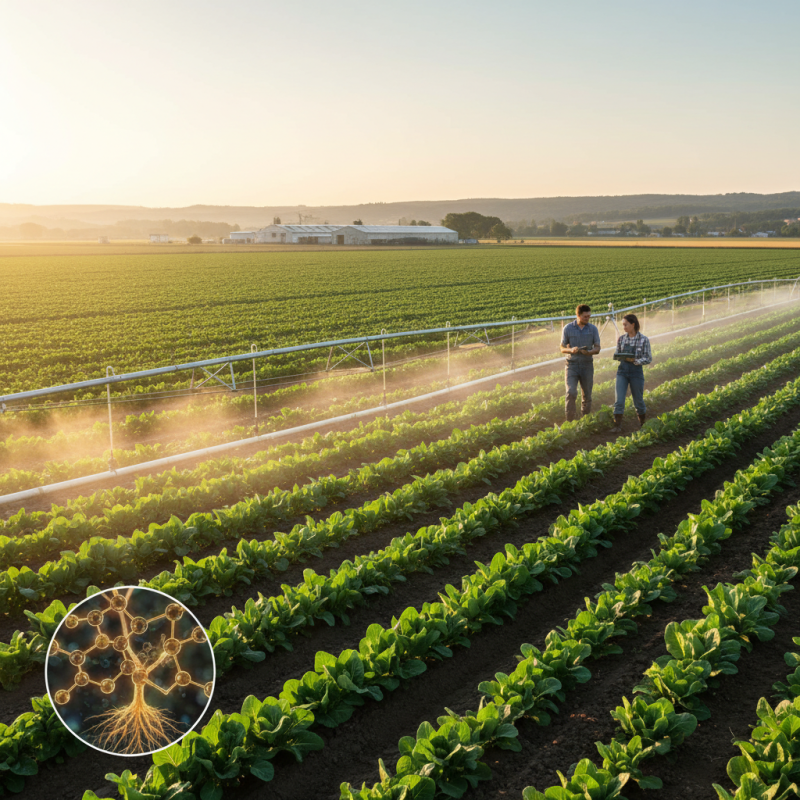
Understanding Multi Source Biostimulants in Agriculture
Multi source biostimulants are gaining traction in agriculture. These products enhance crop growth and resilience. By integrating various natural substances, they target multiple physiological pathways. Research indicates a potential yield increase of 10-20% when using these biostimulants.
A report from the Biostimulants Industry Global Market reveals a compound annual growth rate (CAGR) of 13% through 2026. This rapid expansion highlights the growing recognition of biostimulants. Farmers face unique challenges, such as climate change and soil degradation. Multi source biostimulants provide a holistic approach to these issues.
One major advantage is the enhancement of nutrient uptake. Studies show that biostimulants can increase nutrient efficiency by 20-30%. This supports sustainable farming practices. However, farmers must be cautious. Not all products are effective in all conditions. Selecting the right combination requires thorough research and understanding of specific crop needs.
Enhanced Nutrient Uptake: How Biostimulants Improve Plant Health
Biostimulants have gained attention for their ability to enhance nutrient uptake in plants. These products can improve soil health and stimulate beneficial microbial activity, which is crucial for efficient nutrient absorption. Research shows that biostimulants can increase nutrient uptake by up to 30%, especially nitrogen and phosphorus, which are vital for plant growth.
For instance, a study published in the "Journal of Agricultural Science" highlighted that plants treated with specific multi-source biostimulants showed a marked increase in root biomass. This enhanced root development leads to a larger surface area for nutrient absorption. The use of biostimulants not only supports plant health but also optimizes the use of fertilizers, potentially reducing input costs for farmers.
Despite these benefits, not all biostimulants are equally effective. Farmers must consider soil types, crop species, and specific growth conditions. Inconsistent results across different trials reflect the need for careful selection and application. Continued research is essential to fully understand the mechanisms at play and to ensure that farmers can consistently benefit from these products.
Boosting Soil Microbial Activity with Multi Source Biostimulants
Multi-source biostimulants play a crucial role in boosting soil microbial activity. Research shows that these products can enhance soil health significantly. Healthy soils support diverse microbial communities, leading to improved nutrient availability for crops. For instance, a study found that biostimulants increased microbial biomass by up to 30%. This improvement enhances the soil's capacity to support plant growth.
Tips: Consider testing your soil before applying biostimulants. Understanding soil health can inform effective usage. Monitor changes in microbial activity over time. Adjust applications as needed to maximize benefits.
Moreover, multi-source biostimulants can improve plant resilience against stressors. This might include drought or disease resistance, contributing to overall crop yield. Data from the International Biostimulants Industry Association indicates that the biostimulants market is projected to grow at a rate of 12% annually. This growth reflects a rising awareness of sustainable farming practices.
Tips: Engage with local agricultural experts to find the best biostimulant options for your specific conditions. Regularly evaluate crop performance to refine your biostimulant strategy. This approach can lead to more efficient farming practices.
Increased Crop Resilience: The Role of Biostimulants in Stress Management
Biostimulants play a crucial role in enhancing crop resilience, especially under stress conditions. Studies show that crops treated with multi-source biostimulants exhibit improved resistance to drought, salinity, and extreme temperatures. According to a recent report by the International Biostimulants Industry Consortium, using biostimulants can enhance crop tolerance by up to 30% in challenging environments. This allows farmers to maintain yields despite unfavorable conditions.
One effective strategy is to apply these biostimulants during critical growth stages. The timing can significantly affect plant resilience. For example, applying them during the seedling phase can strengthen roots, improving water uptake. Integrating biostimulants with traditional fertilizers also shows promise. However, results can vary, and not all combinations yield the same benefits.
Tip: Conduct small trials to determine which biostimulants work best for your specific crops and soil types. Moreover, be aware that over-reliance on these products can lead to complacency in essential agronomic practices. Continuous learning and adaptation are vital. Monitoring crop performance will help in assessing the effectiveness of biostimulant applications over time.
Economic Advantages: Cost-Effectiveness of Multi Source Biostimulants
Multi-source biostimulants are transforming modern farming. These products integrate various natural ingredients to enhance soil health and crop productivity. One significant advantage lies in their cost-effectiveness. Farmers face numerous expenses. Crop inputs, labor, and equipment costs can accumulate quickly. Multi-source biostimulants offer a more economical alternative to chemical fertilizers.
The versatility of multi-source biostimulants can lead to different outcomes. They promote nutrient uptake and improve resilience against stress. This results in healthier crops that can adapt to changing conditions. Lowering the dependency on synthetic fertilizers further reduces costs. A farmer might see a financial return from improved yields that outweigh the initial investment.
However, farmers should assess their unique situation. Not every biostimulant will yield the same results across various crops. Lack of detailed research on certain products can leave gaps in understanding. This highlights the importance of monitoring crop responses. Striking the right balance between cost and effectiveness is crucial for successful farming practices.

