Skip to content

What Is a Bedside Carpet and Which Type Is Best?

A Bedside Carpet is a small floor covering placed beside or beneath a bed. It adds warmth, softness, and visual balance to the bedroom. On cold mornings, it gives bare feet a gentler landing than tile or hardwood. It can also reduce minor noise from footsteps and moving furniture. However, its value depends on the room, the sleeper, and the carpet’s construction.

The best choice usually combines comfort, safety, and easy maintenance. Wool feels naturally warm and resilient, while cotton offers a lighter, washable option. Synthetic fibers can resist stains and suit bedrooms with frequent use. A low-pile design is often practical because it reduces tripping risks and allows doors to open freely. Look for a stable backing, especially on smooth floors. Still, no backing is completely slip-proof without proper floor preparation.

Measure the bedside area before shopping. A narrow runner may suit a compact room, while a larger rug can frame both sides of the bed. Leave enough clearance around drawers and walking paths. Check cleaning instructions carefully. Some materials need professional care, and that cost is easy to overlook. I once preferred a thick, luxurious pile, but it trapped dust and made the room feel crowded. That experience changed my view.

This guide compares common materials, sizes, textures, and safety features. It also considers allergies, cleaning habits, bedroom style, and long-term value. The right carpet is not always the softest or most expensive. It is the one that performs reliably in your actual space.
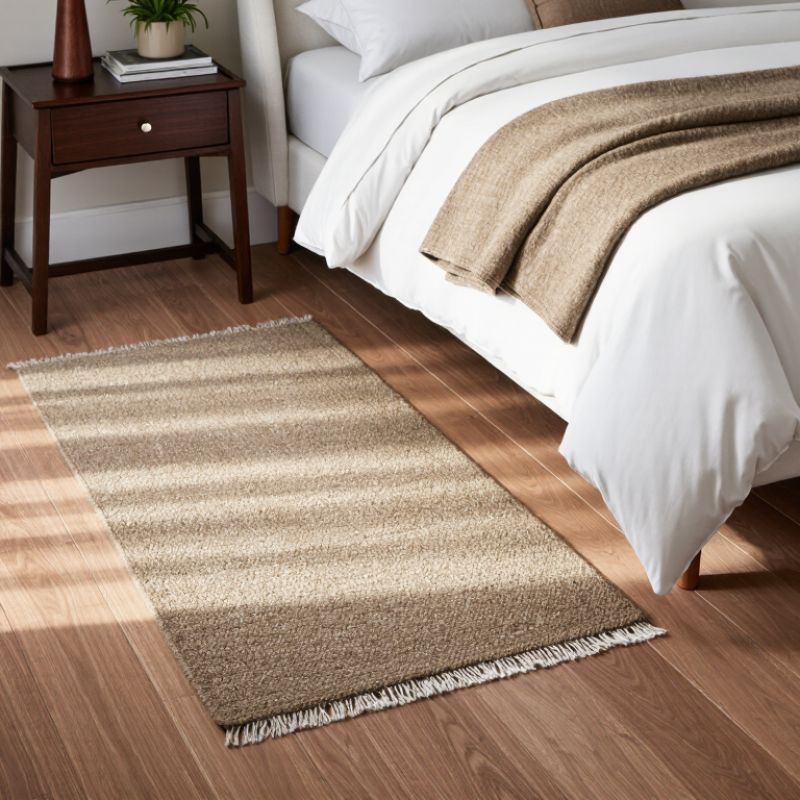
What Is a Bedside Carpet and Which Type Is Best?

What Is a Bedside Carpet?

What Is a Bedside Carpet?

A bedside carpet is a small floor covering placed beside a bed. It cushions bare feet during early-morning movement. It also reduces contact with cold flooring, dust, and minor surface noise. Unlike wall-to-wall carpet, it can be lifted, cleaned, and repositioned easily.

Size matters more than decoration. The carpet should extend beyond the bed’s exit side, without blocking doors or drawers. A low-pile surface usually works best because it catches less dust and allows easier vacuuming. Wool offers warmth and resilience, while cotton feels lighter and may suit washable designs. Polypropylene can resist stains, although its texture may feel less natural. It is practical.

The global carpets and rugs market was valued at about 72.39 billion dollars in 2023, according to Grand View Research’s 2024 market report. That growth reflects wider interest in comfort-focused home interiors, but popularity does not guarantee suitability.

The U.S. Environmental Protection Agency notes that indoor pollutant levels can be higher than outdoor levels, making regular cleaning important. Vacuum the carpet slowly, especially around the bed frame, and follow its care label. A non-slip pad can improve stability, yet it must fit the carpet precisely.

I once chose a thick, soft rug that looked inviting but caught the door. The mistake was small, but annoying every morning. A bedside carpet should feel warm underfoot, remain easy to maintain, and leave enough clearance for safe movement.

What Functions Does a Bedside Carpet Serve?

A bedside carpet creates a warmer landing zone for bare feet. It also softens footsteps on hard flooring. The U.S. Department of Energy explains that rugs add thermal resistance, although their insulating effect remains modest. Comfort improves most when the carpet includes dense padding and fits tightly beside the bed.

Safety is another practical function. A low-pile carpet with a firm, non-slip backing reduces edge catching near slippers and bed frames. High pile may feel luxurious, but it can curl, trap wheels, or increase tripping risk. I have seen softness chosen over stability. That choice deserves reconsideration. A washable synthetic fiber often handles spills better than delicate natural fibers. Check the backing regularly; it can loosen before the surface looks worn.

Air quality needs careful judgment. The U.S. Environmental Protection Agency reports that indoor pollutant levels can be two to five times higher than outdoor levels. Carpet can capture dust, but walking can disturb it again. Frequent vacuuming matters. The Carpet and Rug Institute recommends certified low-emission products, while the World Health Organization links damp indoor materials with respiratory concerns. Therefore, select a breathable, dryable carpet and avoid placing it against a damp wall. A thin, dense, low-pile design usually balances warmth, sound absorption, cleaning, and stable footing better than a thick shag style.

What Is a Bedside Carpet and Which Type Is Best? - What Functions Does a Bedside Carpet Serve?

Comparison Dimension Common Bedside Carpet Option Main Functions Advantages Best Use and Considerations
Definition A small area rug placed beside or partly beneath a bed. Creates a softer, warmer surface for getting in and out of bed. Improves comfort without covering the entire bedroom floor. Suitable for bedrooms, guest rooms, dormitories, and other sleeping areas.
Cotton Carpet A lightweight carpet made from woven or tufted cotton fibers. Provides a soft landing area and helps protect the floor from minor dust and wear. Soft, breathable, generally easy to handle, and often washable when the care label permits. A practical choice for bedrooms with light to moderate foot traffic. It may require frequent washing or vacuuming.
Wool Carpet A carpet made from natural wool fibers. Adds insulation, cushioning, and visual warmth to the bedside area. Naturally resilient and comfortable underfoot; wool can help regulate moisture in normal indoor conditions. Best for comfort and durability when a higher-maintenance natural fiber is acceptable. Follow professional or label-specific cleaning guidance.
Synthetic Carpet A carpet made from fibers such as polyester, nylon, or polypropylene. Provides cushioning, floor protection, and decorative contrast. Often offers a wide range of colors, patterns, and pile heights; many options are easy to vacuum. A versatile choice for regular household use. Cleaning performance depends on fiber, backing, and construction.
Low-Pile Carpet A carpet with short, closely packed fibers. Offers a stable surface and allows doors, furniture, and vacuum heads to move more easily. Usually easier to clean and less likely to interfere with bedroom doors than high-pile designs. A good general-purpose option, especially in small rooms or areas where easy movement is important.
High-Pile or Shag Carpet A carpet with longer, deeper fibers that create a plush surface. Maximizes softness, warmth, and sound absorption near the bed. Feels comfortable under bare feet and can create a cozy bedroom atmosphere. Best for comfort where regular deep cleaning is possible. It may trap more dust and can be harder to vacuum.
Flatweave Carpet A tightly woven carpet with little or no raised pile. Defines the bedside space while keeping the floor surface relatively firm and accessible. Lightweight, often reversible, and generally convenient for vacuuming and moving. Suitable for minimalist rooms, compact spaces, and areas where low maintenance is a priority.
Safety and Stability A bedside carpet with a non-slip backing or a separate rug pad. Helps reduce sliding, curling, and trip hazards when the carpet is installed correctly. Creates a more secure surface for standing up, particularly on smooth hard floors. Check the backing regularly, keep edges flat, and choose a pad compatible with the floor material.
Insulation and Noise Control A carpet with adequate density or pile height placed beside the bed. Provides a thermal barrier from cold flooring and absorbs some footstep noise. Can make a bedroom feel quieter and more comfortable, especially on tile, stone, or laminate floors. Choose a thicker or denser construction for greater cushioning, while considering door clearance and cleaning needs.
Maintenance A washable, vacuum-friendly, or professionally cleanable carpet, depending on its construction. Helps manage dust, hair, and everyday debris in the sleeping area. Routine vacuuming and prompt spot treatment can extend appearance and service life. Always follow the care label; test cleaning products in an inconspicuous area and allow the carpet to dry completely.
Best Overall Choice A low- to medium-pile carpet with a stable backing and a size suited to the bedside area. Balances comfort, safety, appearance, accessibility, and ease of maintenance. Works well for many bedrooms and is less demanding than very thick or delicate carpets. The best type depends on room size, flooring, cleaning routine, allergy concerns, desired softness, and available budget.

Which Types of Bedside Carpets Are Available?

Wool carpets feel warm under bare feet on cold mornings. Their dense fibers also recover well from furniture pressure. However, wool can be expensive and may shed slightly during the first few weeks.

Cotton carpets feel lighter and softer, making them suitable for warm bedrooms. Many cotton styles can be washed at home, although they may lose shape without careful drying.

Microfiber carpets offer a smooth surface and usually dry quickly after cleaning. They work well near beds where dust and spilled drinks are common.

For extra cushioning, memory foam carpets provide a soft landing beside a platform bed. They can feel comfortable, but thick foam may trap heat and become difficult to vacuum.

Flat-weave carpets are easier to maintain and fit beneath narrow furniture. Their texture is less plush, which some sleepers may find disappointing.

Safety also depends on the backing. A non-slip layer helps prevent movement on wood or tile floors, especially beside a child’s bed or an older adult’s bed.

I prefer low-pile materials because they collect less dust and do not catch easily on slippers.

Still, no carpet stays perfectly clean. Even washable fabric needs regular airing, gentle vacuuming, and occasional deep cleaning. A small test area is wise, since colors can appear different under bedroom lighting.

How Do You Choose the Best Bedside Carpet?

A bedside carpet is a small rug placed beside or beneath a bed. It softens cold floors and reduces morning noise. The best choice depends on your room, flooring, and daily habits. Measure the available space before shopping. A rug should extend beyond the bed edge, leaving enough room for both feet. Check door clearance too. A thick carpet may catch against a nearby door.

Choose a low or medium pile for easier cleaning and steadier footing. Wool feels warm and durable, while cotton is lighter and simpler to wash. Synthetic fibers can resist stains, which helps in bedrooms with pets or children. Look for a non-slip backing, but test it on your actual floor. Some backings work poorly on polished surfaces. I once chose a soft, deep-pile rug that looked inviting but trapped dust quickly. Comfort was not the whole answer.

Tips: Match the carpet size to your bed frame, not only the mattress. Place samples beside the bed during daylight. This reveals color changes. Press the rug with your foot and check whether it slides. Vacuum both sides regularly, following the care label. If you have allergies, select a washable, low-pile option and avoid heavily textured designs. Consider moisture as well. A bedroom near a bathroom may need quick-drying material. The most attractive carpet may still be inconvenient. That is worth reconsidering.

What Is a Bedside Carpet and Which Type Is Best?

A bedside carpet is a small rug placed beside or around the bed to provide warmth, comfort, noise reduction, and a softer landing surface. Fiber moisture regain indicates how much moisture a material can absorb from the air, so lower values generally mean faster drying after small spills.

How to choose: Wool offers a warm, soft feel but absorbs more moisture and may take longer to dry. Nylon and polyester are practical choices for regular bedroom use because they are generally easier to clean and dry more quickly. Polypropylene absorbs very little moisture and can be useful where spill resistance is a priority. For safety and maintenance, choose a low- or medium-pile design with a non-slip backing.

How Should a Bedside Carpet Be Placed and Maintained?

A bedside carpet should make getting out of bed warmer, quieter, and safer. For most bedrooms, a low-pile wool or tightly woven carpet works well. It feels comfortable without trapping too much dust. I prefer a carpet that extends at least 50 centimeters beyond the bedside. This gives both feet a stable landing area. Leave enough space for drawers and doors to open freely. A non-slip underlay is important, especially on polished floors. A small mistake here can cause the carpet to bunch overnight.

Place the carpet with its longer edge parallel to the bed. If the room is narrow, use two matching runners on both sides. Keep the edges flat and away from heating vents. Check the position after moving furniture, because even a slight shift can create a trip point. I once placed a thick rug under a door swing. It looked attractive, but the door scraped against it every morning. Practical details matter more than a perfect photograph.

Vacuum the carpet gently once or twice weekly, using lower suction on delicate fibers. Shake or air it outdoors when the care label permits. Blot spills immediately with a clean, slightly damp cloth. Do not rub, since rubbing pushes liquid deeper. Let the carpet dry fully before placing furniture on it. Rotate it every few months to reduce uneven wear. Inspect the underlay occasionally. It may curl before the carpet visibly changes. For stains that remain, professional cleaning is usually safer than experimenting with strong household chemicals.