What is a 240V EV Charger and How Does it Work?
A 240v Ev Charger is becoming increasingly popular as electric vehicles gain traction. Understanding how these chargers work can be pivotal for EV owners. Many drivers seek efficient charging solutions, and the 240V EV charger fits this need. It significantly reduces charging time compared to standard 120V options.
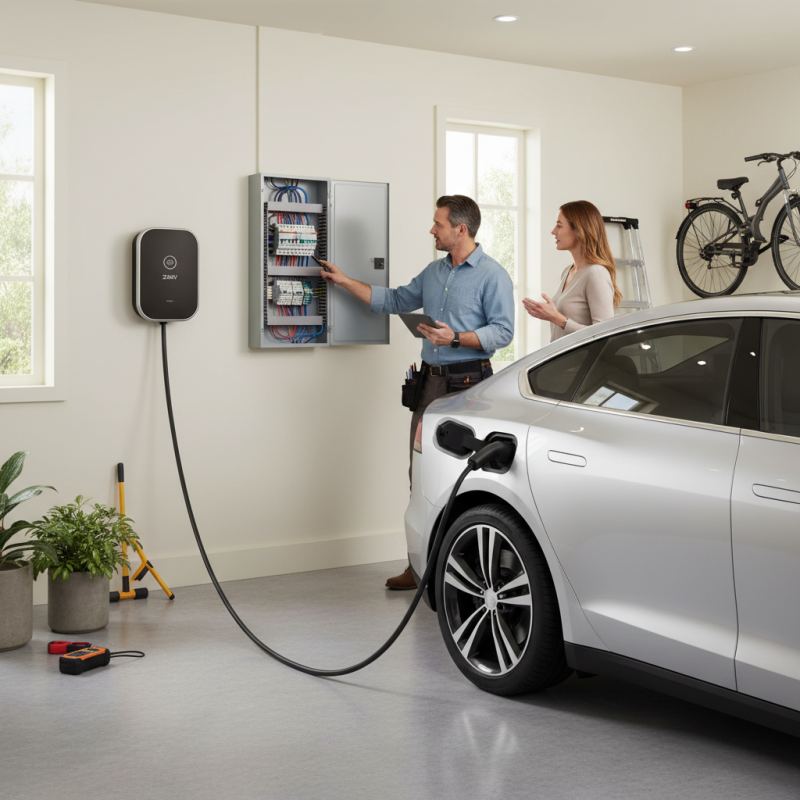
These chargers operate with a higher voltage, allowing for quicker energy transfer to the vehicle's battery. The installation process can seem daunting for some. It’s essential to consult with a trained electrician to ensure proper setup and safety. Many users might overlook this crucial step, leading to potential risks.
Moreover, while the benefits of a 240V EV charger are clear, some users express concerns about electrical requirements and home compatibility. It’s vital to assess your home’s electrical system before investing in such a charger. This cautious approach enhances safety and reliability. The growing demand for such chargers is shaping the future of EV ownership. Understanding their operation and requirements is key for every EV enthusiast.
What is a 240V EV Charger?
A 240V EV charger is a key component in the electric vehicle ecosystem. Unlike standard 120V chargers, the 240V variant can deliver power at a significantly higher rate. This allows electric vehicles (EVs) to charge much faster, often reaching a full charge in just a few hours. According to the U.S. Department of Energy, upgrading to a 240V charger can decrease charging time by up to 50%.
The mechanics behind this involve increased current capacity. A 240V charger generally uses a dedicated circuit that can handle higher amperages, often ranging from 20 to 80 amps. This enables a more efficient transfer of energy. Many EV owners appreciate this because longer charge times can be inconvenient, especially for daily commuters.
Tips: Consider the location of your charger. Installing it in your garage can protect it from weather elements. Also, ensure your home’s electrical system can support a 240V charger. Consulting a professional electrician is highly recommended for safety.
Charging stations are increasingly popping up in urban areas. However, the lack of uniformity in installation can be confusing. Some users report challenges with compatibility and accessibility, raising issues about standardization in charging infrastructure. Addressing these hurdles remains a significant point of discussion in the EV industry.
Understanding the Components of a 240V EV Charger
A 240V EV charger is an essential tool for electric vehicle owners. Understanding its components can help users maximize charging efficiency. The primary component is the charging station itself. It converts the high voltage from the electrical grid into a form that the vehicle can accept. Many chargers also include a display to show charging status.
Cables are another crucial part. They connect the charger to the vehicle. High-quality cables minimize energy loss. Some chargers use special connectors that secure the connection. Safety features like circuit breakers are vital. These prevent overheating or electrical surges, ensuring user safety. However, not all chargers have the same safety standards.
Finally, some chargers integrate smart technology. This allows for better energy management. Users can track charging times and costs through apps. While this technology is beneficial, it may require updates or maintenance. Users must stay informed about their charger’s firmware. Not all users are aware of these details, which can lead to missed opportunities for efficiency. Understanding these components is key to effective EV charging.
Electric Vehicle Charging Time Comparison
This chart compares the charging times for different levels of electric vehicle chargers. Level 1 (120V) takes approximately 8 hours, Level 2 (240V) takes about 4 hours, and DC Fast Charging can reduce this time to around 30 minutes. Understanding these differences can help EV owners choose the right charging solution for their needs.
How a 240V EV Charger Works: The Charging Process
A 240V EV charger is crucial for electric vehicle owners. It provides faster charging than standard outlets. Understanding the charging process is key to maximizing efficiency.
When connected, the EV charger begins to communicate with the vehicle. It uses a digital handshake to ensure safety. The charger checks the battery status and determines the optimal charging rate. This process usually takes a few seconds. Once confirmed, it starts delivering power to the vehicle’s battery.
The charging time depends on the battery’s capacity and the charger's output. Most 240V chargers can deliver between 3.3 kW to 19.2 kW. For example, a typical electric vehicle might gain 25 miles of range within an hour. However, users often underestimate how long the vehicle needs to stay plugged in. Some people forget to check the battery level, leading to unexpected downtime. Awareness during the charging process is essential for effective management.
What is a 240V EV Charger and How Does it Work?
| Feature | Description |
| Voltage | 240 volts |
| Charging Method | Level 2 AC charging |
| Charging Speed | Approximately 10 to 60 miles of range per hour |
| Compatibility | Most electric vehicles (EVs) using J1772 connectors |
| Installation Location | Home garages, parking lots, and commercial spaces |
| Safety Features | Overcurrent protection, ground fault protection, and thermal management |
| Charging Time | 4 to 8 hours for a full charge, depending on battery capacity |
| Cost Range | $500 to $1,500, depending on features and installation |
Benefits of Using a 240V EV Charger for Electric Vehicles
A 240V EV charger is an essential tool for electric vehicle owners. Offers multiple benefits for daily use. Primarily, it significantly reduces charging time. Instead of waiting for hours, drivers can charge their vehicles in just a few hours. The higher voltage allows for faster electricity flow. This efficiency makes it ideal for those with busy schedules.
Another advantage is the convenience of home charging. Many EV owners can install a 240V charger in their garage. This means never having to visit a public charging station during the week. Home charging is more efficient and cost-effective over time. Yet, it requires an initial investment. Some may find this a barrier to entry.
Safety is also a key benefit. A 240V charger typically has built-in safety features. These reduce risks like overheating and electrical surges. However, proper installation is crucial. Improper setups can lead to safety hazards. It’s important to work with qualified professionals to ensure reliability. Investing in a 240V EV charger is a thoughtful decision that requires research and consideration.
Installation Considerations for 240V EV Chargers
When considering the installation of a 240V EV charger, several key factors emerge. One major aspect is the electrical panel capacity. Many homes require an upgrade to accommodate the higher amperage. According to the U.S. Department of Energy, a dedicated circuit is essential, usually rated at 40 amps for Level 2 chargers. Homeowners may overlook this, leading to unexpected costs and delays.
The location of the charger also plays a crucial role. Ideally, it should be installed near the driveway or parking area for convenience. This minimizes cable length and reduces installation complexity. Proper installation ensures that charging is efficient and safe. Some professionals recommend placing the charger inside a garage to protect it from the elements, but this can limit accessibility.
Permitting and local regulations must not be ignored. Many jurisdictions require permits for electrical work. Sometimes these can take weeks to process. Not all electricians are familiar with EV charger installations, which can further complicate matters. Thus, selecting a qualified electrician is essential. A lack of experience can lead to improper installations, risking equipment damage or fire hazards.
Finally, consider future needs when installing a charger. As electric vehicle technology evolves, charging capabilities may need to adapt. Planning for potential upgrades during the initial installation can save time and money later.

