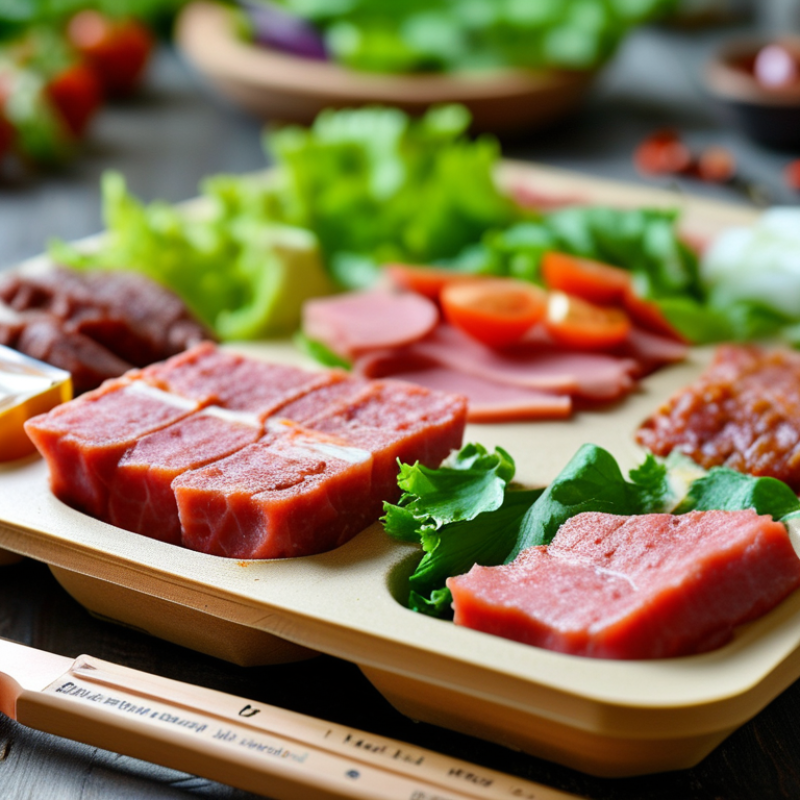
2026 Top Trends in Plastic Meat Trays for Global Buyers?
The global market for Plastic Meat Trays is evolving rapidly. Buyers are increasingly looking for innovative packaging solutions that enhance freshness and sustainability. Trends indicate a shift towards materials that reduce environmental impact while maintaining functionality.
Emerging technologies are reshaping how these trays are produced. Manufacturers are exploring bio-based plastics and smart packaging features. These advancements could redefine consumer expectations. However, challenges remain in balancing cost with sustainability. Stakeholders must navigate this complex landscape effectively.
As buyers evaluate options, understanding market dynamics is crucial. Knowledge of emerging trends in Plastic Meat Trays can lead to better purchasing decisions. It’s essential to stay informed and adaptive to ensure competitiveness in this dynamic market.
Emerging Materials in Plastic Meat Trays for 2026
The upcoming trends in plastic meat trays for 2026 already show a clear shift towards sustainability. Emerging materials are playing a crucial role in this transformation. Notably, bioplastics are gaining traction, with reports indicating that the market for bioplastics is expected to reach $44 billion by 2026. These alternatives reduce reliance on traditional plastics, appealing to eco-conscious consumers.
Another innovative material making waves is recycled PET (rPET). Industry data reveals that utilizing rPET can significantly lower carbon emissions in packaging. In fact, switching to rPET can cut emissions by up to 27% compared to using virgin materials. Increasingly, manufacturers are adopting rPET to enhance sustainability without sacrificing performance.
The adoption of advanced technologies, such as smart packaging, is also noteworthy. These technologies enhance product tracking and safety. However, the integration of these innovations poses challenges for manufacturers in terms of cost and implementation. As the industry moves forward, a balance between sustainability, functionality, and affordability will be critical. It remains to be seen how effectively these trends will be adopted by businesses and their impact on consumer choices.
2026 Top Trends in Plastic Meat Trays for Global Buyers
Sustainability Trends Impacting Plastic Meat Tray Production
The global shift towards sustainability is reshaping the plastic meat tray industry. According to a recent report by MarketsandMarkets, the eco-friendly packaging market is projected to reach $550 billion by 2027. This change is compelling manufacturers to rethink their processes and materials. Traditional plastic often faces criticism for its environmental impact. Therefore, many companies are exploring bioplastics and recycled materials.
Recent surveys reveal that almost 70% of consumers prefer sustainable packaging options. This consumer behavior pressures suppliers to innovate. For instance, some are developing trays from renewable sources like cornstarch and sugarcane. However, these alternatives often struggle with durability and cost-effectiveness. Striking a balance between sustainability and performance remains a challenge for many producers.
The importance of certifications increases as environmental regulations tighten. Buyers are now seeking eco-labeled products. Yet, the lack of standardized certifications can be confusing. The need for clarity in eco-labeling is essential for supporting informed purchasing decisions. As trends evolve, collaboration between suppliers and recyclers can foster innovations. Emphasizing life-cycle assessments can help address transparency issues.
Innovations in Design for Enhanced Functionality of Meat Trays
The design of plastic meat trays is evolving rapidly. Innovations focus on enhancing their functionality. Users demand more than simple packaging. Efficient storage and safety are becoming essential.
New designs feature improved ventilation. This allows better airflow, reducing moisture buildup and extending shelf life. Some trays incorporate smart technology, which includes freshness indicators. These indicators alert users when products are nearing expiration.
Materials are changing too. Many manufacturers explore biodegradable options. However, challenges remain in balancing durability and environmental impact. While these innovations are promising, their adoption must be carefully considered. The industry faces the task of meeting consumer needs while also addressing sustainability.
2026 Top Trends in Plastic Meat Trays for Global Buyers - Innovations in Design for Enhanced Functionality of Meat Trays
| Trend | Description | Benefits | Projected Adoption Rate 2026 |
| Biodegradable Materials | Incorporating biodegradable plastics to reduce environmental impact. | Eco-friendly, reduced waste. | 45% |
| Smart Trays | Integration of sensors to monitor freshness and quality. | Improved food safety, enhanced customer experience. | 30% |
| Modular Designs | Customizable trays for various portion sizes and types. | Increased flexibility, tailored packaging solutions. | 50% |
| Reduced Plastic Use | Design innovations focused on minimizing plastic consumption. | Cost savings, sustainability. | 35% |
| Enhanced Visual Appeal | Brighter colors and sleek designs for better shelf appeal. | Attractiveness, increased sales. | 55% |
Market Demands: Features Global Buyers Look for in 2026
In 2026, global buyers are increasingly seeking plastic meat trays that prioritize sustainability and functionality. According to recent market data, over 55% of consumers now prefer eco-friendly packaging options. This trend is driven by growing environmental awareness. Buyers are looking for trays made from recyclable materials that reduce carbon footprints. Manufacturers must innovate to enhance recyclability while maintaining effective preservation qualities.
Another critical factor is safety and hygiene. Reports indicate that 70% of consumers are concerned about food safety standards. Buyers want trays that prevent contamination and preserve meat quality. Features such as airtight seals and tamper-proof designs are in high demand. The convenience of ready-to-use trays that require no additional preparation is also essential. Buyers want products that streamline their cooking processes while ensuring quality.
While the focus is on these features, some issues remain. The cost of sustainable materials can be higher than traditional plastics. This poses a challenge for manufacturers trying to balance quality and pricing. Industry experts urge businesses to find innovative solutions that meet consumer expectations without compromising affordability. This ongoing challenge reflects a broader trend in manufacturing and packaging, highlighting the need for continuous improvement and reflection in practices.
Regulatory Changes Affecting the Plastic Meat Tray Industry
Regulatory changes are shaping the plastic meat tray industry significantly. Stricter regulations are being implemented to ensure product safety and environmental sustainability. These changes can affect material usage, production practices, and consumer transparency. Buyers must stay informed to adapt to these evolving standards and ensure compliance.
Adapting to regulations can be challenging. Companies may need to reformulate their products or invest in new technologies to meet legal requirements. This can involve higher costs and longer development times. It is crucial for businesses to maintain open communication with regulatory bodies. Building relationships can provide valuable insights into upcoming changes.
Tips: Focus on sustainable materials. Switch to biodegradable options where possible. Engage with local authorities to understand specific regulations that apply to your region. Continuous training for staff in compliance matters can prevent costly errors.