$0.00
Choosing a Lipstick Tube manufacturer in 2026 requires more than attractive samples. Global buyers need dependable engineering, clear communication, and evidence behind every claim. A polished tube may hide weak hinges, uneven coating, or poor component fit. Real evaluation starts with the user’s formula, filling process, target market, and delivery schedule. Aluminum, ABS, PCR plastic, and refillable designs each create different cost and performance questions. Small details matter. A cap should close firmly, the mechanism should rise smoothly, and decoration should survive ordinary handling. This guide examines manufacturers through practical sourcing factors, including tooling capability, quality control, customization, minimum order quantities, and export experience.
It also considers documentation, packaging protection, production consistency, and communication after approval. Responsible suppliers should support material declarations, factory audits, sample testing, and region-specific compliance checks. These checks cannot replace independent verification. That limitation matters. Supplier rankings often depend on incomplete public information, changing capacity, and buyer-specific requirements. Therefore, the “best” manufacturer is not automatically the largest or cheapest. It may be the partner that manages tolerances carefully and reports problems before shipment. Some factories offer impressive prototypes but struggle with repeat orders; buyers should test that gap. A pilot run, dimensional inspection, and transit simulation can reveal issues that photographs never show. No supplier is perfect. The following overview helps global buyers compare credible options with sharper judgment, while keeping commercial claims cautious and evidence-based.
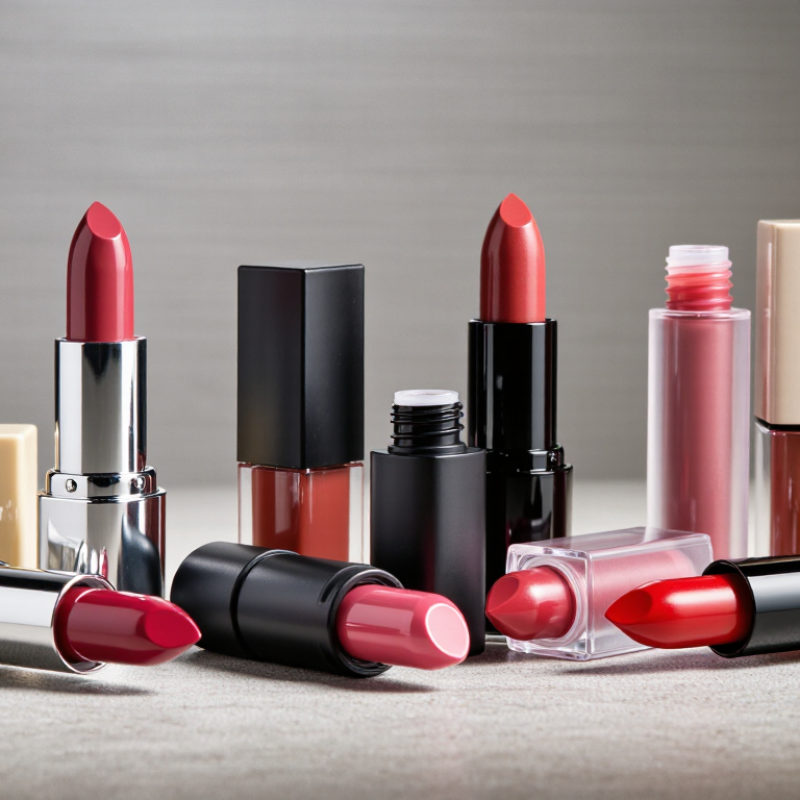
Lipstick tube manufacturers are packaging specialists that engineer, mold, finish, and assemble lipstick containers. They may produce complete tubes or separate parts for cosmetic companies and contract fillers. A standard tube usually includes a base, twist mechanism, cup, outer shell, and cap. Some suppliers also make inner sleeves, magnetic closures, and refillable components. The lipstick itself is not normally produced in this facility. This distinction matters.
Their work begins with industrial drawings, sample reviews, and compatibility checks. Engineers test fit, rotation, torque, leakage resistance, and cap retention. Production may involve aluminum forming, plastic injection molding, CNC machining, surface coating, printing, and final assembly. Color matching needs physical samples, because screens can mislead. Quality teams inspect scratches, gaps, uneven plating, and loose mechanisms. They also verify dimensions across multiple production batches. Small defects become expensive after filling.
Experienced manufacturers support custom sizes, decoration, material choices, and filling-line requirements. They should provide specifications, inspection records, and clear tolerances before mass production. Buyers should ask about material declarations, recycled content evidence, and packaging waste controls. Certifications can help, but a certificate alone does not prove consistent workmanship. Attractive prototypes can fail repeated twisting tests. That lesson is easy to miss. A reliable supplier explains the failure, corrects the design, and documents the revised test.
Lipstick tube manufacturers develop and produce the primary packaging used for solid lip products. Their product range commonly includes standard bullet tubes, slim tubes, mini tubes, refillable systems, inner cups, bases, caps, mechanisms, and decorative surface finishes. The chart compares typical nominal fill weights used in different lipstick tube formats; final specifications vary according to the formula, mold design, and buyer requirements.
The 2024 Grand View Research report values the global lipstick market at over USD 11 billion. That scale raises packaging expectations. A reliable lipstick tube should feel balanced, close firmly, and protect the bullet from heat, dust, and repeated handling. Weight alone proves little. A dense tube can still hide weak threads or uneven plating.
Start with material verification. Aluminum offers a cool, premium feel and strong dimensional stability. ABS and polypropylene can reduce weight and support precise molding. Post-consumer recycled plastic may improve environmental performance, but suppliers should disclose its percentage and test batch consistency. McKinsey’s 2023 packaging research found that 60–70% of surveyed consumers were willing to pay more for sustainable packaging. That interest does not excuse poor function. Recycled content must still pass odor, color, stress, and compatibility checks.
Design evaluation should include drop testing, cap retention, twist torque, and repeated opening cycles. Check whether the base wobbles on a flat table. Inspect the inner cup for smooth edges and accurate alignment. Cosmetic packaging guidance, including ISO 22715 principles, supports clean, secure, and suitable packaging controls. Ask for material declarations, inspection records, and production samples before approval. In practice, samples can look excellent while mass production varies. I would request a pilot batch, not one perfect prototype. That extra step costs time, but it exposes plating marks, loose caps, and inconsistent rotation before shipment.
For global buyers, lipstick tube manufacturing capability means more than attractive samples. The tube must protect the product during filling, shipping, and daily use. Experienced manufacturers should control wall thickness, component fit, hinge strength, and twist-up movement. Small dimensional errors can create loose caps or uneven bullet travel. Ask for measured tolerances, not only catalog images. Test samples under realistic temperature and handling conditions.
Material expertise also matters. A reliable factory should offer suitable plastic, aluminum, or mixed-material options. It should explain how each choice affects weight, recyclability, decoration, and cost. Strong tooling capability supports precise custom shapes without repeated mold delays. Surface finishing should include consistent color matching, printing adhesion, and scratch resistance. Quality teams need documented inspections at incoming, in-process, and final stages. Batch records and traceability make problems easier to investigate.
Capacity deserves careful questioning. A supplier may produce excellent prototypes but struggle with large orders or seasonal demand. Review pilot production results, lead-time records, and backup equipment. Request technical drawings, inspection reports, and packaging tests before approval. I would not choose based on the lowest quotation alone. Hidden rework can erase the saving. No factory is perfect. The better partner admits limitations, explains corrective actions, and communicates changes early. Sustainability claims also need evidence, such as material data and waste-control records, rather than attractive wording.
| Manufacturing Capability | What Global Buyers Should Look For | Relevant Materials, Processes or Standards | Why It Matters in International Supply | Recommended Verification Evidence |
|---|---|---|---|---|
| Material Engineering | Ability to select materials according to product formula, appearance, durability and sustainability requirements. | Polypropylene, ABS, SAN, aluminum, post-consumer recycled plastics and other approved packaging materials. | Material selection affects chemical compatibility, mechanical strength, recyclability, weight and shipping cost. | Material declarations, safety data where applicable, recycled-content documentation and a formula-specific compatibility assessment. |
| Formula Compatibility | Testing with the buyer’s actual lipstick formula rather than relying only on generic component testing. | Storage under defined temperature, humidity, light and time conditions; evaluation of staining, swelling, odor, leakage and color change. | Different waxes, oils, pigments and volatile ingredients can interact differently with packaging materials. | Written test protocol, samples filled with the final formula, test records and signed acceptance criteria. |
| Mechanism Performance | Smooth twist-up and retraction, stable product positioning, secure closure and consistent operation throughout the product life cycle. | Dimensional checks, torque measurement, repeated-operation testing, drop testing and closure-retention testing. | Reliable mechanisms reduce consumer complaints, product damage and returns in long-distance distribution. | Performance specifications, inspection records, test samples and clearly defined pass/fail limits. |
| Precision Injection Molding | Stable molding conditions, controlled tooling and repeatable dimensions between production batches. | Engineering plastics, mold-flow control, cavity balancing and documented dimensional tolerances. | Dimensional variation can cause loose caps, uneven assembly, poor mechanism performance and visible defects. | Approved technical drawings, first-article inspection, capability studies and batch inspection reports. |
| Decoration and Surface Finishing | Consistent color, gloss, texture, metallic effect and print registration across the complete component set. | Spraying, lacquering, metallization, hot stamping, offset printing, screen printing and laser marking. | Cosmetic packaging is highly appearance-sensitive, and inconsistent finishes can affect retail acceptance. | Approved color master, adhesion testing, abrasion testing, visual limit samples and decoration inspection records. |
| Assembly Capability | Controlled assembly of the base, mechanism, holder, cover and decorative components with traceable process controls. | Semi-automatic or automatic assembly, controlled press-fit operations and in-line visual inspection. | Consistent assembly reduces rattling, misalignment, component separation and damage during transport. | Assembly flow chart, work instructions, operator training records and finished-product inspection results. |
| Quality Management | A documented quality management system covering incoming materials, production, final inspection, corrective action and traceability. | ISO 9001-based quality processes, statistical inspection and nonconformance management. | A controlled quality system helps maintain consistent performance across repeated international orders. | Current certification, audit reports, quality manual, corrective-action records and lot traceability examples. |
| Global Regulatory Readiness | Ability to provide documentation required by the destination market and the buyer’s internal compliance process. | Applicable requirements may include EU REACH obligations, restrictions on certain substances, cosmetic packaging documentation and ISO 22715 guidance for cosmetics packaging and labeling. | Regulatory expectations differ by country, and missing documentation can delay customs clearance or product launch. | Declarations of conformity where applicable, restricted-substance statements, test reports and complete material information. |
| Testing and Validation | A formal validation plan covering functionality, appearance, transportation durability and product-package interaction. | Drop, vibration, compression, thermal cycling, aging, closure, torque, leakage and decoration durability tests as applicable. | Validation identifies failure risks before products are distributed across different climates and logistics networks. | Test methods, equipment calibration records, raw data, photographs and final approval reports. |
| Sustainability Engineering | Design support for lower material use, mono-material options, recycled content, refillable formats and improved end-of-life handling. | Lightweighting, recyclable polymers, aluminum components, separable parts and verified recycled materials. | Packaging sustainability requirements increasingly influence retailer acceptance, consumer expectations and market access. | Material composition, recycled-content verification, environmental claims support and packaging recyclability assessment. |
| Tooling and Customization | In-house or controlled tooling development, design-for-manufacturing support and secure management of customer drawings. | 3D design, prototype development, mold trials, engineering changes and documented tooling maintenance. | Strong tooling control improves speed, repeatability and protection of custom packaging designs. | Tooling ownership terms, mold-maintenance records, prototype approval process and confidentiality agreements. |
| Supply Chain and Export Execution | Reliable production planning, component sourcing, packaging, documentation and shipment coordination for international orders. | Batch traceability, production scheduling, export packing standards and documented change-control procedures. | Stable supply reduces launch delays, stockouts, transit damage and unexpected changes between shipments. | Capacity plan, lead-time records, packing specifications, inspection-release process and business-continuity plan. |
When comparing lipstick tube manufacturers in 2026, begin with engineering, not catalogue images. Grand View Research valued the global cosmetic packaging market at about USD 32 billion in 2023. Its forecast also indicates steady growth through 2030. This growth increases supplier choices, but not necessarily supplier reliability. Ask for dimensional drawings, resin or metal specifications, closure torque data, and compatibility testing with your formula.
Details matter.
A tube should open smoothly without loosening during transport. The bullet platform must remain stable after repeated twisting. Request samples from different production batches. Check surface scratches, color consistency, printing adhesion, and bottom fit under normal handling. ISO 22715 packaging guidance can support documentation, although it does not replace your own validation. Compare minimum order quantities, tooling charges, production capacity, lead times, and replacement policies in one spreadsheet.
Sustainability needs evidence. Smithers’ packaging research continues to identify recycled content, lightweighting, and recyclability as major development priorities. Do not accept vague “eco” claims. Request material declarations, recycled-content certificates, and recycling instructions for each component. I once focused too heavily on unit price and underestimated mold maintenance. That mistake delayed a launch. Cheap was not cheap. Review inspection records, corrective-action procedures, and export experience before approval. Some suppliers look excellent during sampling, yet struggle with scale-up. Ask difficult questions early.
Choosing a lipstick tube manufacturer requires more than comparing unit prices. Buyers should request technical drawings, material details, surface treatment options, and closure tolerances. A tube that looks attractive in a sample may loosen after repeated use. Check whether the inner component fits the intended formula and filling process. Ask for documented quality controls, batch records, and inspection procedures. Reliable suppliers should explain their testing methods clearly, not hide behind vague promises.
Request a physical sample before approving mass production. Test the twist mechanism, cap alignment, color consistency, and resistance to scratches. Review minimum order quantities, tooling fees, production lead times, and replacement policies in writing. Packaging deserves attention too. Weak cartons can cause crushed caps and damaged finishes during international transport. Confirm shipping terms, export documents, payment stages, and responsibilities for customs clearance. Details are easy to overlook.
Tips: Compare at least three quotations, but never judge by price alone. Ask for a pre-shipment inspection with measurable acceptance standards. Keep approved samples and signed specifications together. Allow extra time for port delays and corrective production. A supplier may promise a fast schedule, yet capacity can change during peak seasons. Buyers should also verify recycled-content claims through supporting documents. My own view is slightly cautious: even a strong factory can make an occasional mistake, so clear records and independent checks remain essential.